Regenerative aesthetics is one of the most talked-about terms in the industry, but it is also one of the most misunderstood. At Hardwick Clinic, we have been practising this approach for years without always using the label.
For a long time, aesthetic medicine has been split into two categories: treatments that add volume, such as dermal fillers, and treatments that soften movement, such as anti-wrinkle injections. Regenerative aesthetics is a different category entirely. Rather than changing how the skin looks on the outside, it works with the skin’s own biology to change what happens underneath.
“Skin is a living organ, and like every other organ in the body, it has its own repair mechanisms,” Dr Tatyana Lapa-Enright explains. “Beneath the surface sits a network of collagen fibres, elastin and a supportive extracellular matrix, all maintained by cells called fibroblasts.”
Aesthetic Regenerative Medicine is a passion for Dr Tatyana, who recently spoke at The Aesthetic Show UK focusing on the Gut-Brain-Skin axis.
“Our skin is often a mirror of our internal health. Stress leads to breakouts. Sleep deprivation results in a dull complexion. Digestive issues trigger inflammatory flare-ups. These, in turn, slow fibroblast activity and accelerate collagen breakdown, which shows up as skin ageing such as premature wrinkles, dryness, and sensitivity.”
Regenerative treatments are designed to work with that biology rather than around it, prompting a controlled repair response that encourages the skin to rebuild its own structure.
This is where regenerative aesthetics starts to overlap with something bigger than skincare. Ageing is not only a cosmetic process, but it is also a cellular one, and it does not happen in isolation. Hormonal changes, particularly around the menopause and andropause, are strongly linked to declining collagen density and skin thickness, which is part of why we built dedicated menopause resources into the clinic. Sun exposure, smoking and general health all influence how well skin repairs itself too.
Thinking about aesthetics through a longevity lens changes the questions we ask in consultation. Instead of “how do we change this”, it becomes “how do we support what your skin is already trying to do”.
Several of our most established treatments already sit within this category, even if we do not always call them ‘regenerative’ in the treatment room.
What connects all of these is patience. Results build over weeks and months, not days, because that is how the underlying biology works.
It is worth being clear about what this category does not mean. It is not a replacement for anti-wrinkle injections or dermal fillers, which address dynamic movement and volume in ways regenerative treatments simply do not. In practice, the two approaches usually work together rather than compete.
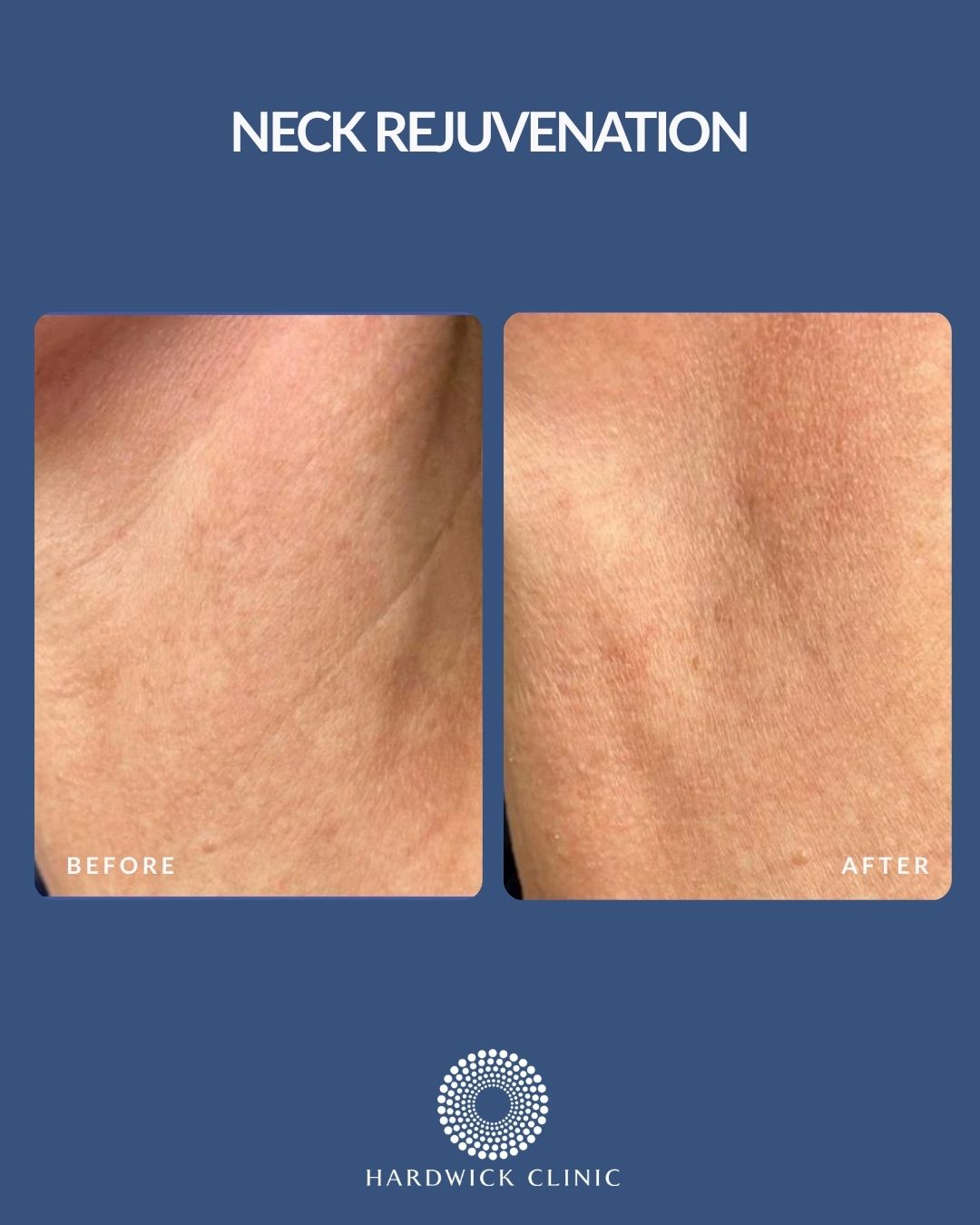
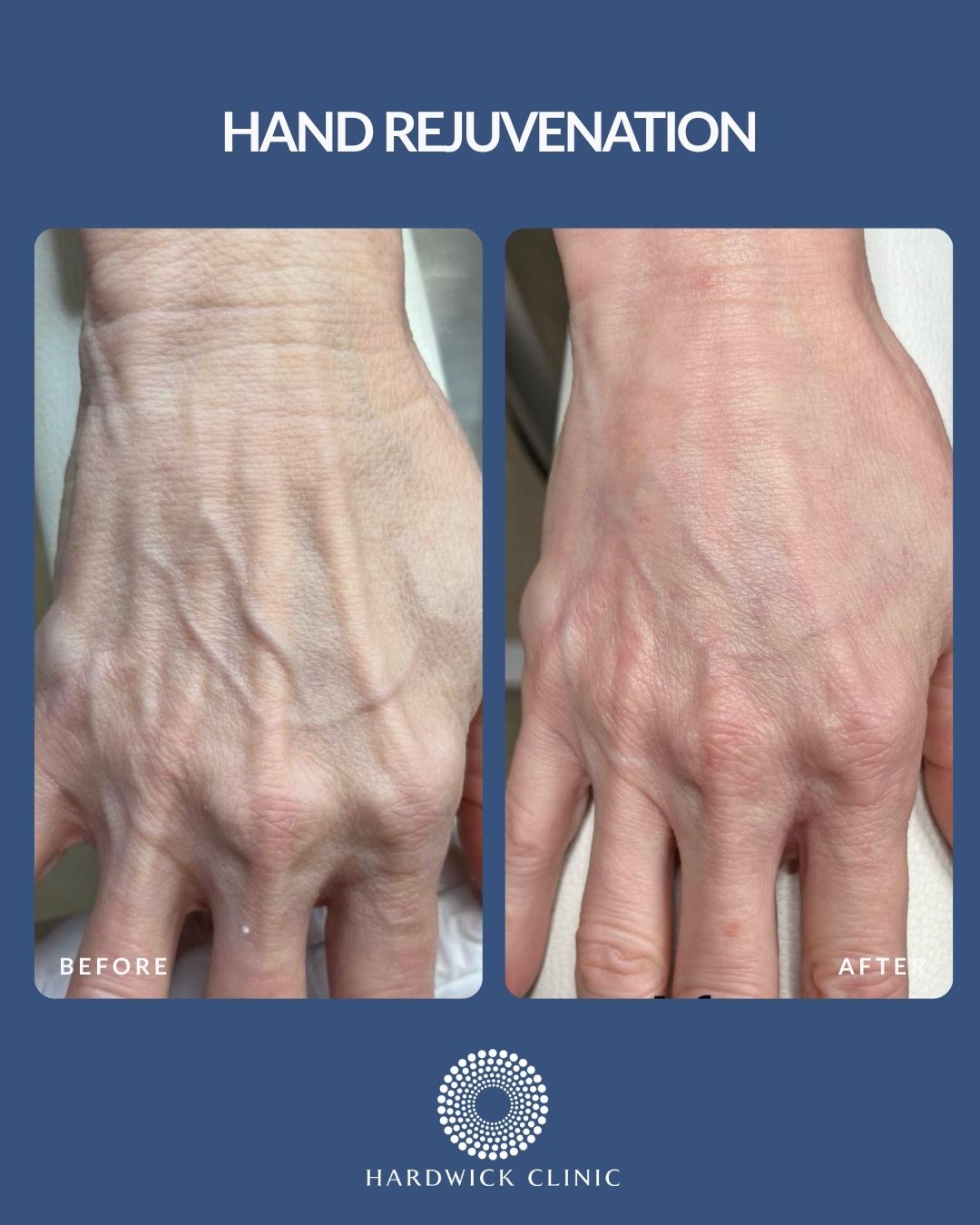
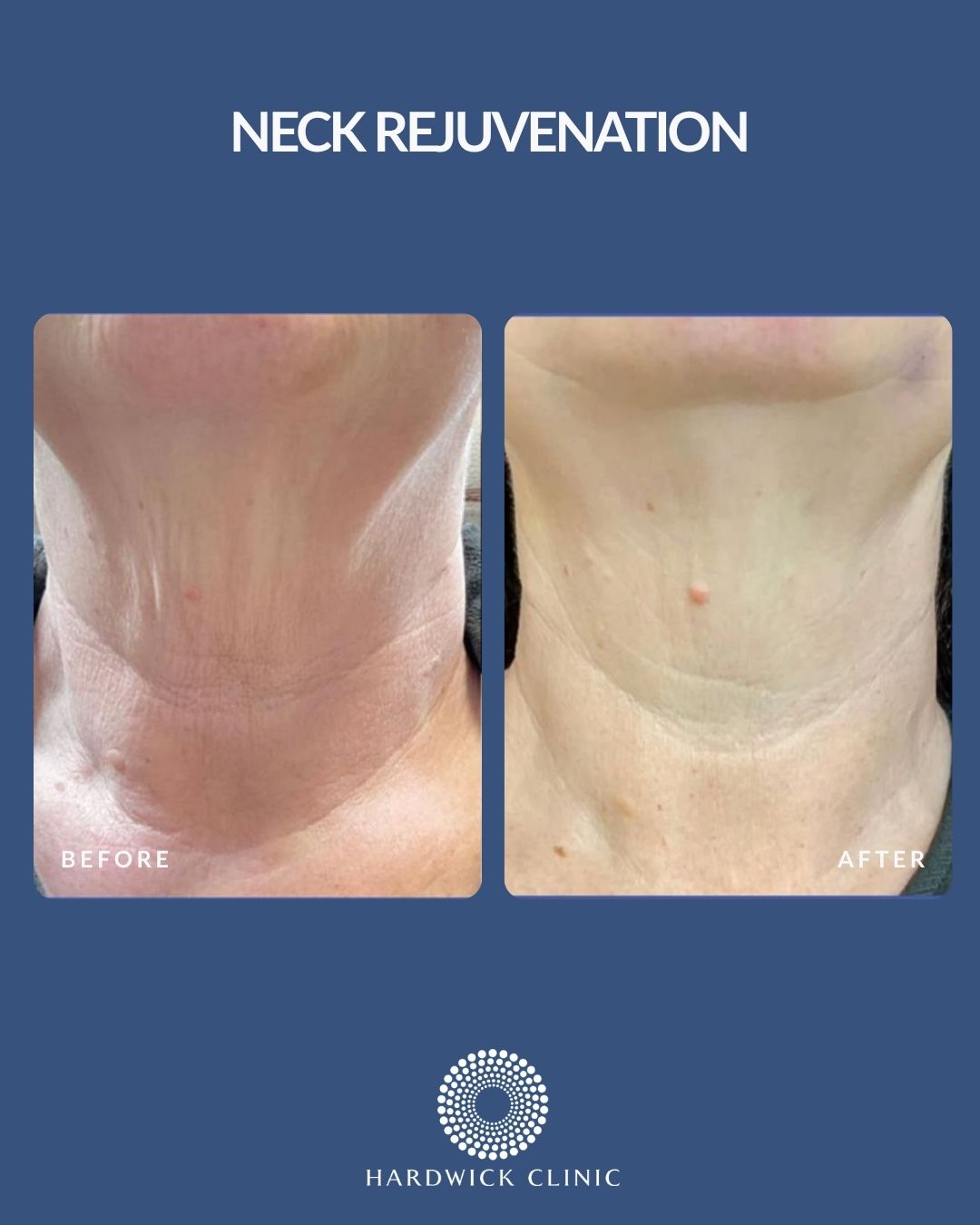
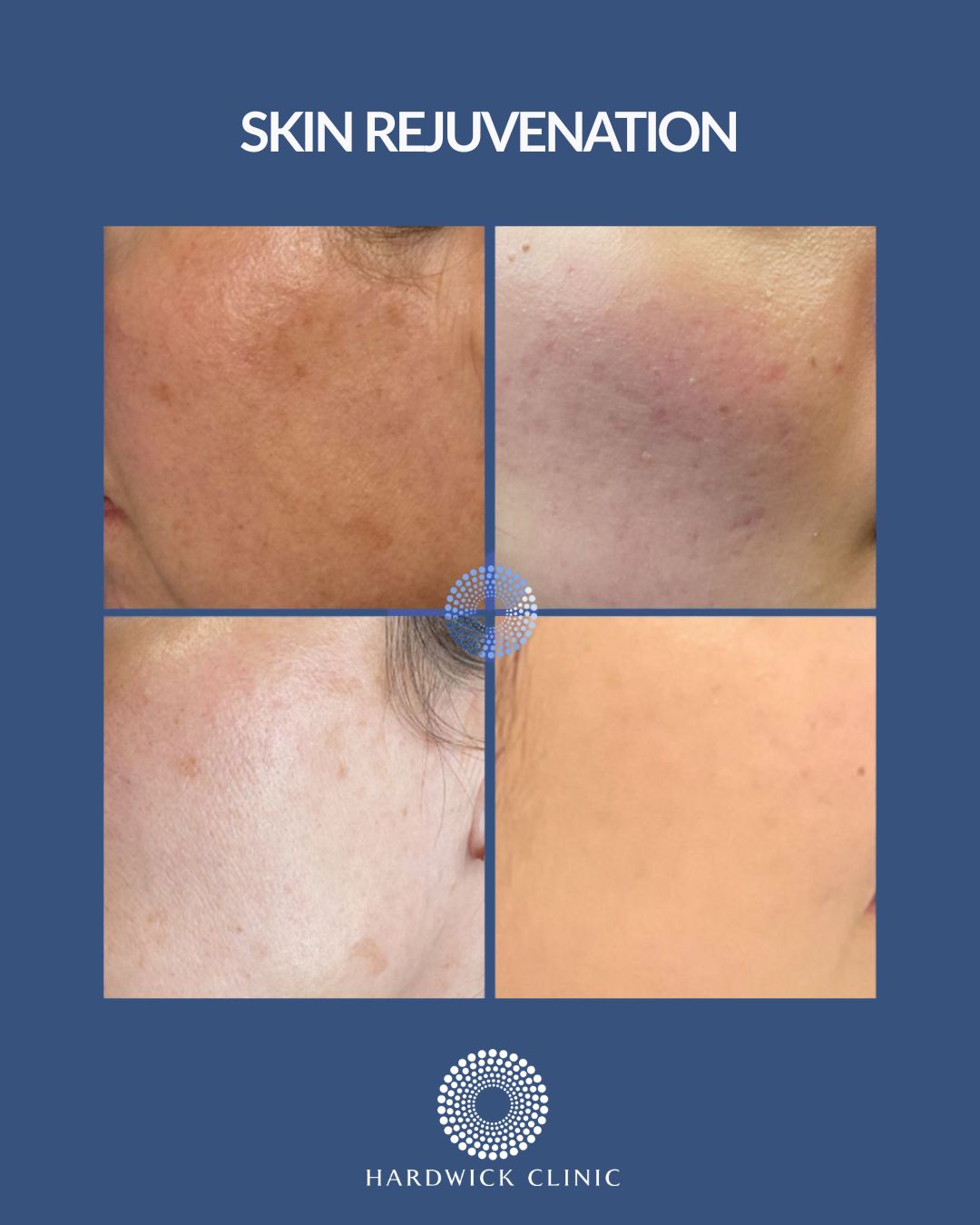
Every regenerative consultation at Hardwick begins the same way a general aesthetic consultation does: with an assessment, not a product. Dr Tatyana examines skin quality, discusses lifestyle and hormonal factors that might be affecting your skin, and builds a comprehensive, personalised plan based on your biology and goals, rather than a generic protocol.
“Ageing presents differently in each patient,” Dr Tatyana explains. “Some patients experience early volume loss. Others notice thinning, crepey texture or dullness long before deeper lines and wrinkles appear.
“Regenerative treatments aim to strengthen tissue so that skin appears rejuvenated; not because it is filled, but because it is supported.”
If you are curious whether a regenerative approach is right for you, a free consultation is the place to start.
Hardwick Clinic. 227 St. Neots road, Hardwick, Cambridge, CB23 7QJ
**Results and pictures are indicative only. Actual results may vary from patient to patient© 2026 Hardwick Clinic | Terms & Conditions | Website by the Web Marketing Clinic